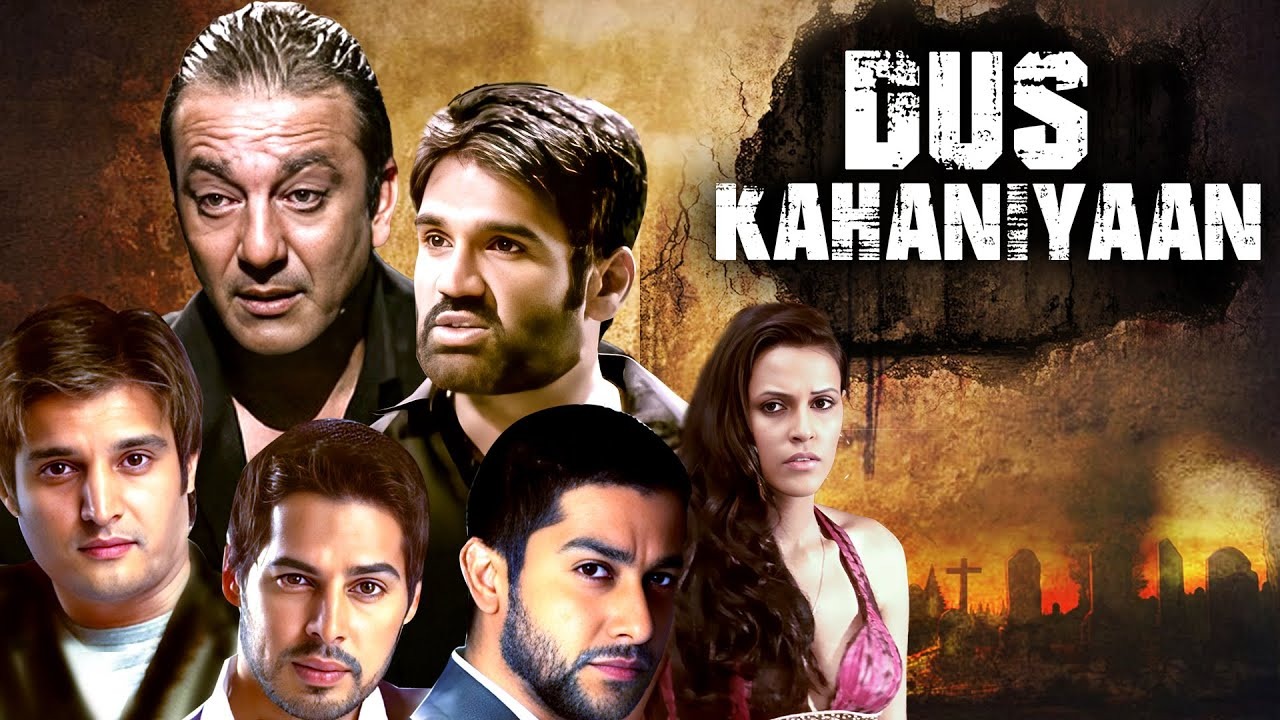
Dus Kahaniyaan (2007) Movie Review: Bollywood’s Bold Anthology Experiment with 10 Stories, 6 Directors & Surprising Twists
Dus Kahaniyaan, released on December 7, 2007, represents one of Bollywood’s most daring cinematic experiments. This anthology film presents ten completely independent short stories directed by six different filmmakers, featuring an ensemble cast of over 20 prominent actors including Sanjay Dutt, Nana Patekar, Shabana Azmi, Manoj Bajpayee, Suniel Shetty, and Dia Mirza.
Produced by Sanjay Gupta’s White Feather Films and Eros International, the movie attempts something unprecedented in Hindi cinema: telling ten diverse tales about love, loss, lust, infidelity, and human emotions without any connecting thread between them. Unlike anthology films such as Darna Mana Hai or Salaam-e-Ishq where stories share common elements or characters, each segment in Dus Kahaniyaan exists in its own universe.
With a runtime of 110 minutes and stories averaging just 10-12 minutes each, the film challenges conventional Bollywood storytelling while testing audience attention spans. But does this bold experiment succeed in delivering memorable cinema, or does it collapse under the weight of its own ambition?
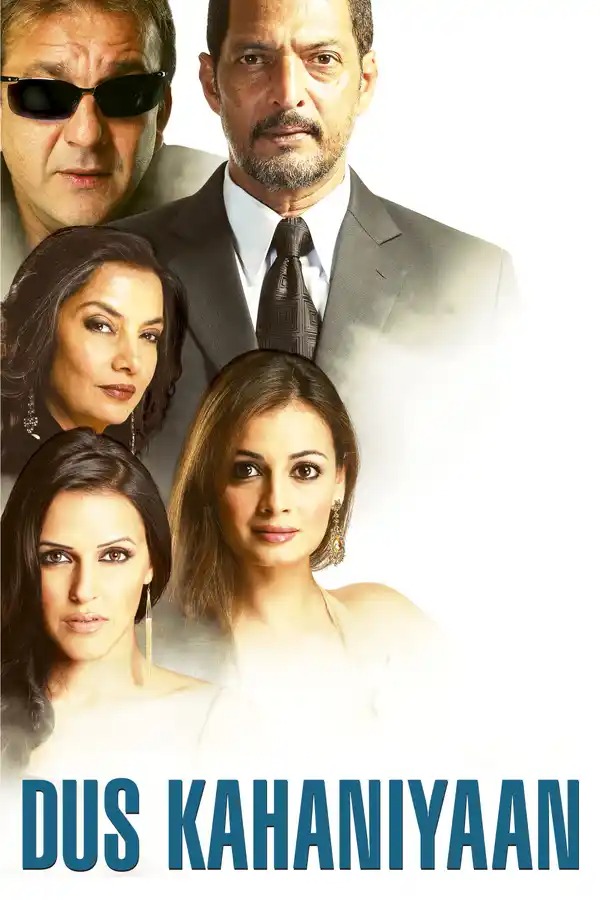
Concept Overview: A Literary Collection on Screen
Dus Kahaniyaan brings together ten different stories directed by six directors: Sanjay Gupta, Apoorva Lakhia, Meghna Gulzar, Rohit Roy, Hansal Mehta and Jasmeet Dhodhi. The film functions exactly like purchasing a short story collection from a bookstore, where each tale offers a distinct narrative experience without expecting connections between chapters.
The stories span multiple genres including drama, thriller, romance, and psychological suspense. Each segment concludes with a twist ending designed to surprise viewers, though the effectiveness of these reveals varies considerably across the ten stories. The lack of any connecting element or common narrator gives the film its unique identity but also presents significant challenges in maintaining audience engagement.
The Ten Stories Breakdown
The anthology includes these segments: Matrimony (infidelity and revenge), High on the Highway (violent romance), Pooranmasi (mother-daughter relationship), Strangers in the Night (religious riots), Lovedale (neighboring strangers), Gubbare/Balloons (enduring love), Sex on the Beach (mysterious seduction), Zahir (terrorism interrogation), Rice Plate (love and food), and Rise and Fall (police encounter). Each explores different facets of human nature and relationships.
The Standout Stories: Where Excellence Shines
Pooranmasi – The Crown Jewel
Directed by Meghna Gulzar and based on a short story by Kartar Singh Duggal, Pooranmasi is described as the most impressive of the ten and unarguably the best part of the movie. Starring Amrita Singh, Minissha Lamba, and Parmeet Sethi, this powerful story explores unconditional love between mother and daughter with shocking impact.
The narrative is so compelling that viewers question why it wasn’t expanded into a full-length feature. The performances, particularly by Amrita Singh, bring depth and emotional resonance that elevate this segment above typical short film fare.
Zahir – Moral Complexity
Directed by Sanjay Gupta and starring Manoj Bajpayee and Dia Mirza, this segment tackles terrorism interrogation with moral ambiguity. The story explores whether extreme measures are justified when fighting terrorism, leaving viewers to grapple with uncomfortable questions about ethics and necessity. Bajpayee’s intense performance anchors the controversial narrative.
Cast Performances: Brief But Memorable
Given the 10-minute constraints, actors had limited opportunities to create lasting impressions. However, several performers managed to shine despite minimal screen time.
Shabana Azmi stands out in Rice Plate, bringing comedic energy rarely seen in her recent work. Her panicked South Indian characterization demonstrates her range and willingness to embrace lighter material.
Nana Patekar delivers subtle excellence in Gubbare, conveying years of grief and enduring love through restrained expressions. His performance proves that less can indeed be more when an actor possesses true craft.
Manoj Bajpayee brings intensity to Zahir, making the morally complex interrogation story compelling despite its controversial premise. His ability to portray internal conflict elevates the segment significantly.
Amrita Singh, Minissha Lamba, Neha Dhupia, Jimmy Shergill, and Masumeh all deliver competent performances within their respective segments, though character development limitations prevent deeper connections with audiences.
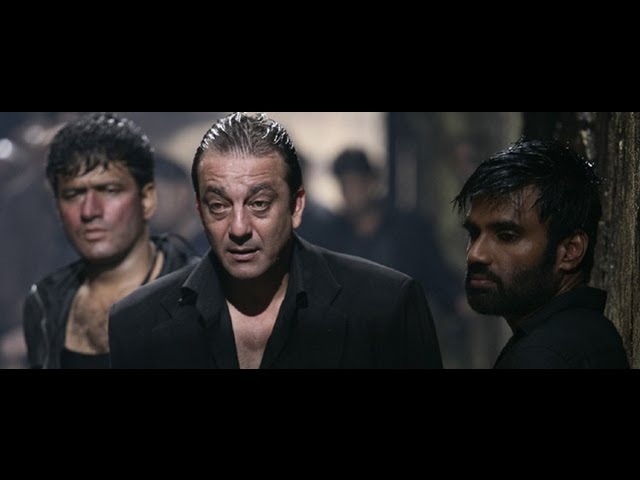
Sanjay Dutt and Suniel Shetty appear in Rise and Fall, which relies heavily on style over substance, resulting in a confusing narrative that wastes their screen presence.
Direction and Technical Aspects
Multi-Director Approach
Sanjay Gupta directs the major chunk of short films, and unlike his previous films Musafir and Zinda, he focuses more on story than style. His segments include Matrimony, Zahir, and Rise and Fall, with varying degrees of success. The other directors—Apoorva Lakhia, Hansal Mehta, Rohit Roy, and Meghna Gulzar—each bring distinct sensibilities to their segments.
The challenge of coordinating six different directorial visions without a unifying theme results in tonal inconsistencies throughout the film. While this diversity offers variety, it also prevents the anthology from feeling cohesive.
Cinematography and Visual Style
Each segment features distinctive cinematography matching its thematic content. The film adopts a grainy, realistic look for most stories, avoiding the glossy Bollywood aesthetic. This grittier visual approach helps ground the narratives in authenticity, though some segments like Rise and Fall overindulge in stylistic flourishes that distract from storytelling.
Music and Background Score
The soundtrack features compositions by multiple music directors including Gourav Das Gupta, Anand Raj Anand, Shafqat Ali Khan, and Bappa Lahiri. Bollywood Hungama awarded it 4 out of 5 stars, praising its diversity. The film notably avoids traditional song-and-dance numbers, with the title track playing only during closing credits. This restraint serves the storytelling, though some viewers may miss Bollywood’s signature musical moments.

Pros: What Makes Dus Kahaniyaan Unique
Innovative Anthology Format: The film breaks new ground by presenting completely independent stories without connecting threads, offering a true short story collection experience.
Standout Segments: Stories like Pooranmasi, Rice Plate, Gubarre, and Zahir deliver genuine emotional impact and thought-provoking narratives worth the ticket price alone.
Impressive Ensemble Cast: Over 20 talented actors bring their A-game despite limited screen time, creating memorable moments throughout.
No Traditional Songs: The absence of typical Bollywood musical numbers allows stories to flow without interruption, respecting the short film format.
Twist Endings: Most segments feature unexpected conclusions that reward attentive viewers and encourage discussion after viewing.
Diverse Themes: The anthology explores infidelity, terrorism, religious riots, enduring love, and human relationships from multiple angles, offering something for different audience tastes.
Quick Pacing: If a story doesn’t resonate, viewers only endure 10-12 minutes before moving to the next segment, making even weaker entries tolerable.
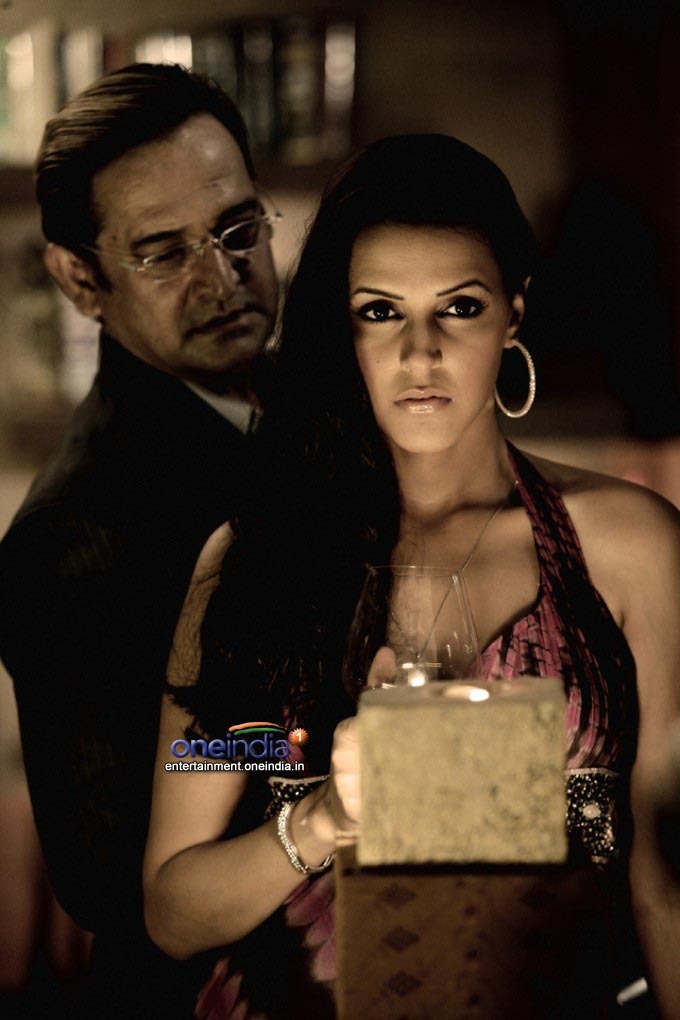
Cons: Where the Anthology Fails
Inconsistent Quality: Critics described it as an anthology where one or two are very good, one or two just-about-all-right, one or two leave you cold, and one or two are plain bad. This unevenness frustrates viewers expecting consistent excellence.
Predictable Patterns: By the third or fourth story, audiences begin anticipating the mandatory twist endings, reducing their impact in later segments.
Limited Character Development: The 10-minute format prevents meaningful character exploration, leaving supporting characters feeling one-dimensional and underdeveloped.
Exhausting Structure: Watching ten separate stories consecutively creates viewing fatigue. The constant cycle of starting, accelerating, climaxing, and restarting every ten minutes tests audience patience.
Weak Segments: Stories like High on the Highway, Rise and Fall, Sex on the Beach, and Lovedale range from boring to confusing, dragging down the overall experience.
No Connecting Thread: While this independence is the film’s unique selling point, the complete lack of thematic unity makes the anthology feel disjointed rather than cohesive.
Commercial Failure: The film’s worldwide gross reached ₹13.07 crore, falling short of its reported ₹20 crore budget, marking it as a commercial disappointment.
Expert Analysis: Understanding the Experiment
From an E-E-A-T perspective, Dus Kahaniyaan represents an important milestone in Hindi cinema’s evolution. The film demonstrates that Bollywood can successfully produce anthology films featuring multiple directors and completely independent narratives, even if commercial success remains elusive.
The experiment proved that stories can be narrated with style while maintaining Indian sensibilities and values without compromising intelligence. The film opened doors for subsequent anthology projects like Bombay Talkies (2013) and Lust Stories (2018), which refined the format with unifying themes and tighter curation.
Should You Watch Dus Kahaniyaan?
Dus Kahaniyaan works best for cinema enthusiasts who appreciate experimental formats and don’t mind uneven quality across segments. If you enjoy short films, anthology collections, or watching multiple directorial styles within one viewing, this film offers unique value despite its flaws.
The movie is worth watching primarily for four outstanding stories: Pooranmasi, Rice Plate, Gubbare, and Zahir. These segments alone justify the viewing experience, even if other entries disappoint. Viewers should approach with realistic expectations, understanding that not all ten stories will resonate equally.
Perfect for those who want something different from typical Bollywood fare, the film offers intellectual stimulation and emotional moments scattered throughout its runtime. However, mainstream audiences seeking continuous entertainment may find the format exhausting and the quality inconsistent.
Final Rating: 2.5/5 Stars
Recommendation: Watch for the four strong stories (Pooranmasi, Rice Plate, Gubbare, Zahir) which make the film worthwhile despite weaker segments. Best suited for anthology format enthusiasts, short film lovers, and viewers who appreciate experimental Bollywood cinema. Skip if you prefer traditional narrative films with consistent quality and emotional continuity.
Frequently Asked Questions About Dus Kahaniyaan
How many stories are in Dus Kahaniyaan? The film features exactly ten independent stories directed by six different filmmakers, each lasting approximately 10-12 minutes.
Which is the best story in Dus Kahaniyaan? Most critics and audiences agree that Pooranmasi directed by Meghna Gulzar is the strongest segment, followed by Rice Plate, Gubbare, and Zahir.
Are the stories in Dus Kahaniyaan connected? No, unlike other anthology films, all ten stories in Dus Kahaniyaan are completely independent with no connecting characters, themes, or narrative threads.
Who directed Dus Kahaniyaan? The film was directed by six filmmakers: Sanjay Gupta, Apoorva Lakhia, Meghna Gulzar, Rohit Roy, Hansal Mehta, and Jasmeet Dhodhi.
Did Dus Kahaniyaan succeed at the box office? No, the film was a commercial disappointment, earning ₹13.07 crore worldwide against its ₹20 crore budget.
Is Dus Kahaniyaan suitable for family viewing? The film deals with adult themes including infidelity, lust, terrorism, and violence. It’s more appropriate for mature audiences than family viewing.