JIGRA Movie Review: Alia Bhatt’s Powerful Prison Break Thriller | Is It Worth Watching in 2024?
What would you risk to save someone you love? In JIGRA, Alia Bhatt answers this question with unwavering intensity as she transforms from a protective sister into a one-woman army determined to break her brother out of a foreign prison. Released in October 2024 and now streaming on Netflix, this action thriller from director Vasan Bala has sparked conversations across social media and divided critics. But does it live up to the hype?
Understanding JIGRA: The Story Behind the Title
The word “Jigra” translates to both “heart” and “courage” in Hindi, perfectly capturing the essence of this emotionally charged thriller. The film explores the unbreakable bond between siblings and asks how far one person will go when conventional justice fails. Set against the backdrop of a fictional Southeast Asian country called Hanshi Dao, JIGRA blends familial drama with high-octane action sequences that keep viewers engaged throughout its runtime.
The Plot: A Sister’s Impossible Mission
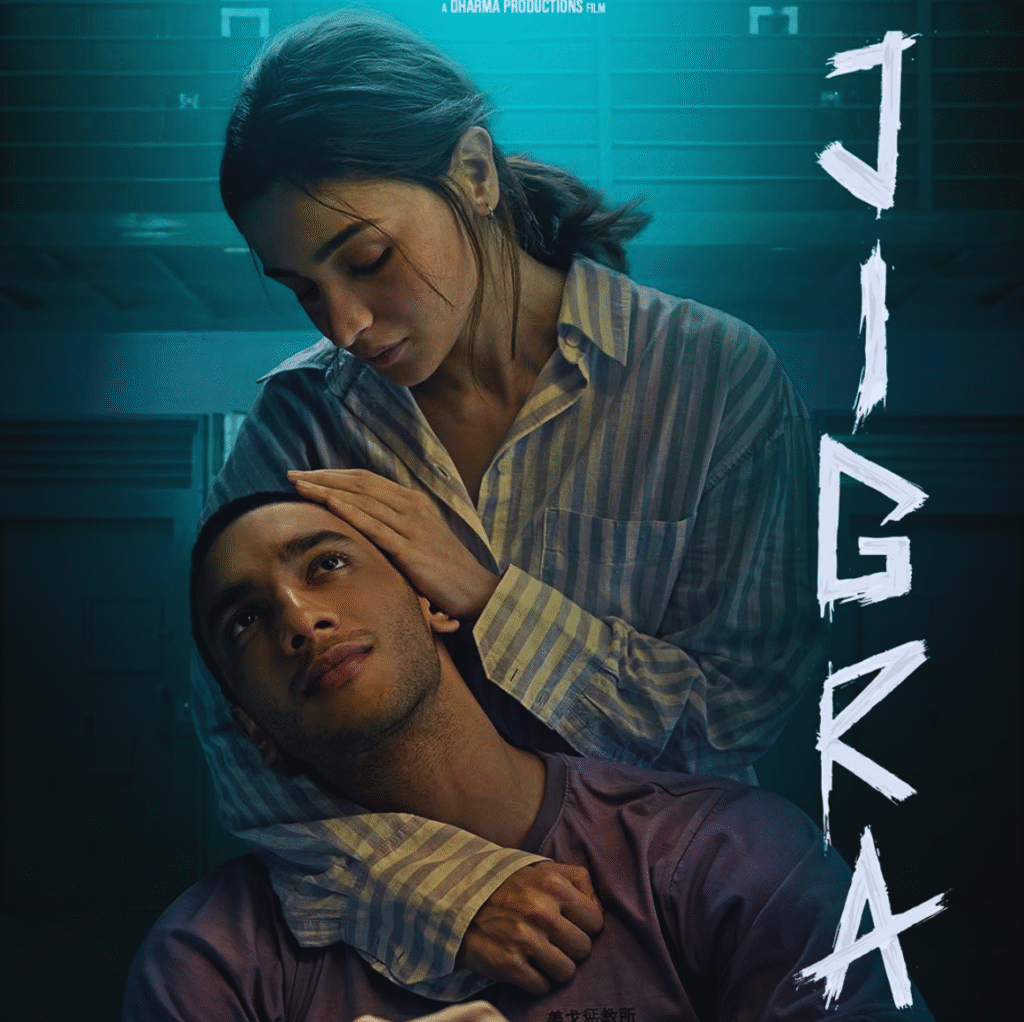
Satya Anand (Alia Bhatt) and her younger brother Ankur (Vedang Raina) have survived a traumatic childhood together after becoming orphans. Raised reluctantly by distant relatives, the Mehtani family, Satya becomes fiercely protective of Ankur, essentially serving as both mother and guardian. Their bond is tested when Ankur travels to Hanshi Dao for a business opportunity with the Mehtanis’ son, Kabir.
Disaster strikes when police discover drugs in Kabir’s possession. In a devastating betrayal, the wealthy Mehtani family uses their influence to shift the blame entirely onto Ankur, leaving him facing a death sentence in a country with zero-tolerance drug laws. With legal appeals exhausted and time running out before execution, Satya must do the unthinkable: orchestrate a prison break from one of the most secure facilities in Southeast Asia.
She assembles an unlikely team including Shekhar Bhatia (Manoj Pahwa), a retired gangster, and Muthu (Rahul Ravindran), a former police officer with his own reasons for helping. What follows is an elaborate heist-style operation filled with setbacks, moral compromises, and increasingly dangerous confrontations with the sadistic prison warden Hansraj Landa (Vivek Gomber).
Quick Movie Facts
- Release Date: October 11, 2024 (Theatrical), December 6, 2024 (Netflix)
- Runtime: 2 hours 35 minutes
- Genre: Action, Crime, Thriller
- Director: Vasan Bala
- Producers: Karan Johar, Alia Bhatt, Shaheen Bhatt, Apoorva Mehta
- Screenplay: Vasan Bala, Debashish Irengbam
- Main Cast: Alia Bhatt, Vedang Raina, Manoj Pahwa, Vivek Gomber, Rahul Ravindran
- Music: Achint Thakkar
- Language: Hindi with subtitles available
- Box Office: ₹55.05 crore worldwide
- Streaming Platform: Netflix (Available now)
- Rating: TV-MA
Performances That Define JIGRA
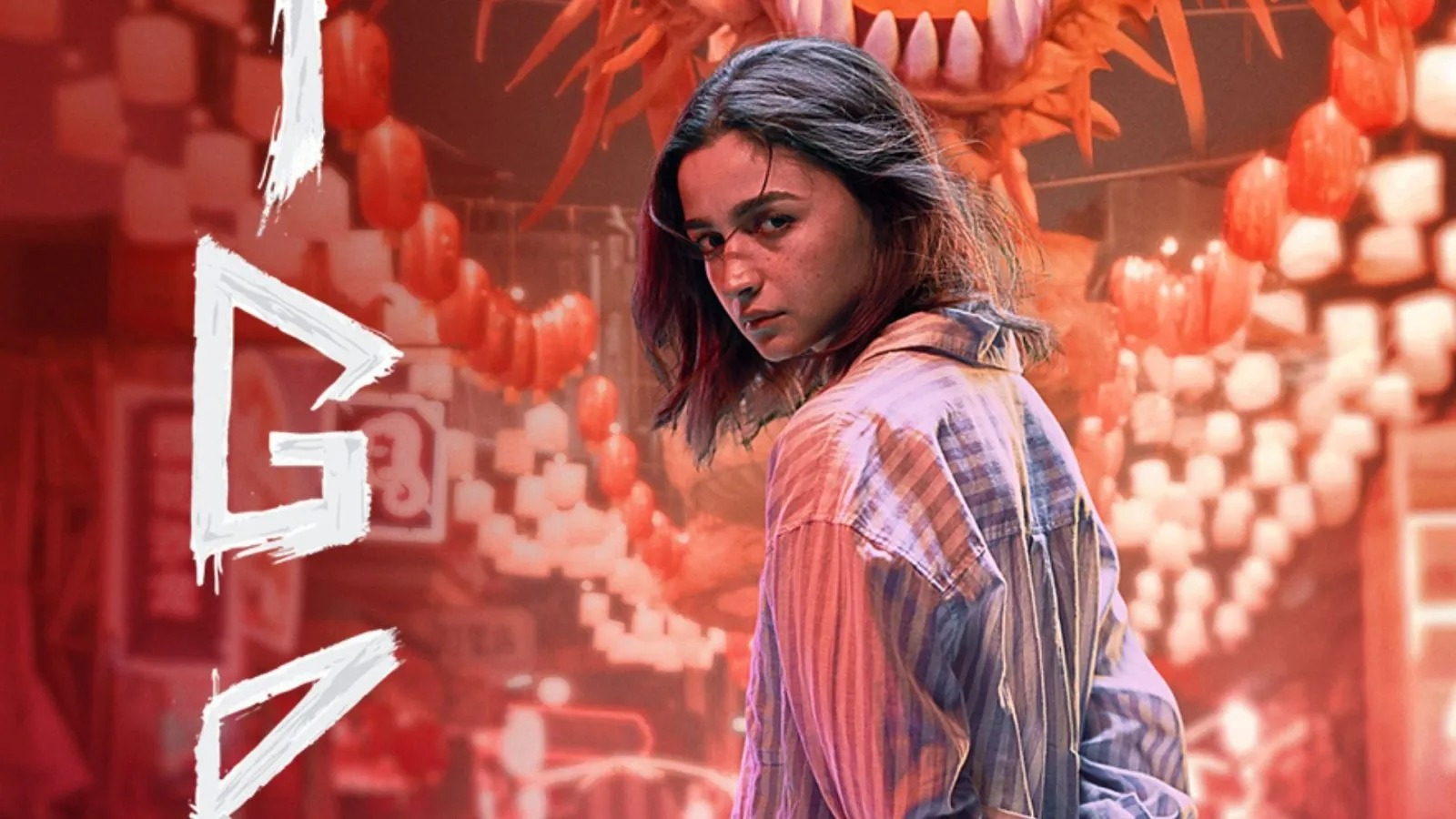
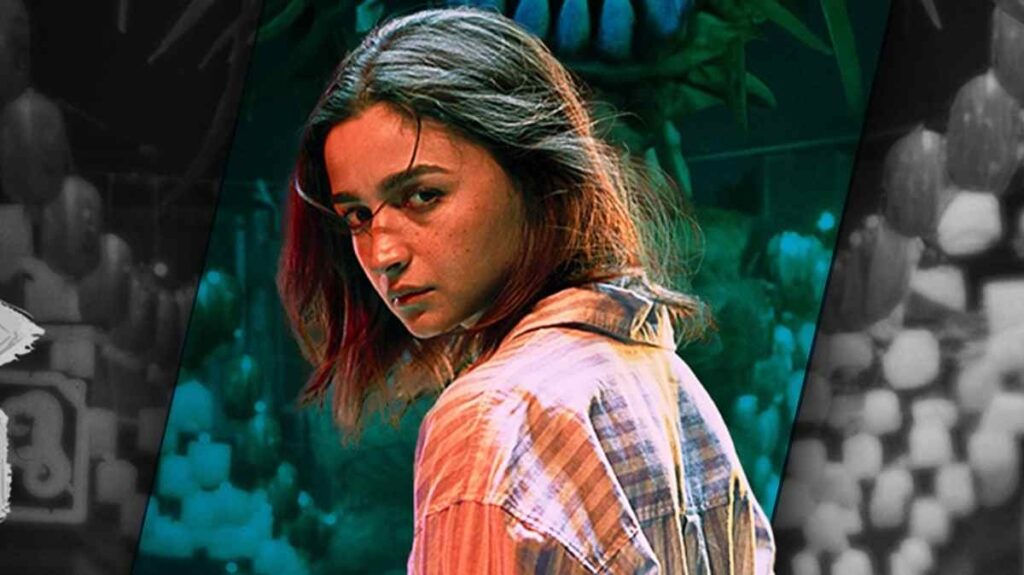
Alia Bhatt as Satya Anand delivers what critics consider one of her most physically demanding performances to date. Known for her versatility in films like Gangubai Kathiawadi and Raazi, Bhatt completely commits to the role of a woman pushed beyond her limits. Her portrayal balances vulnerability with ferocity—you believe she’s both terrified and unstoppable. The intensity in her eyes throughout the film conveys determination that words cannot express. Whether she’s strategizing quietly or taking down trained guards, Bhatt makes every moment feel authentic. Her performance earned her the Filmfare Award for Best Actress, validating her powerful screen presence.
Vedang Raina as Ankur brings emotional depth despite limited screen time due to his character’s imprisonment. The young actor effectively portrays the desperation and helplessness of someone wrongly condemned, creating genuine empathy. His chemistry with Bhatt sells the sibling relationship that forms the film’s emotional core.
Manoj Pahwa as Shekhar Bhatia provides much-needed comic relief and warmth. The veteran actor’s natural charisma makes his “retired gangster with a heart” character immediately likable. His mentorship of Satya adds layers to what could have been a one-dimensional support role.
Rahul Ravindran as Muthu brings gravitas to the former police officer haunted by his own past. His subdued performance creates an interesting contrast to Bhatt’s intensity.
Vivek Gomber as Hansraj Landa, unfortunately, struggles with an underwritten antagonist. The sadistic prison warden character feels like a movie cliché rather than a fully realized villain, which undermines the threat level crucial for thriller tension.
What Works: JIGRA’s Strengths
1. Alia Bhatt’s Career-Defining Performance: This is Bhatt’s show from start to finish. Her transformation from vulnerable woman to action hero feels earned through the narrative, and her commitment to physically demanding scenes adds authenticity. The rawness she brings to emotional breakdowns contrasts beautifully with her controlled action sequences.
2. Strong Emotional Foundation: Unlike typical action thrillers that prioritize spectacle over substance, JIGRA grounds itself in a deeply relatable emotion—sibling love. The flashbacks showing Satya and Ankur’s traumatic past establish why she would risk everything, making her extreme actions understandable rather than ridiculous.
3. Realistic Action Choreography: Director Vasan Bala avoids over-the-top Bollywood action tropes. The fight sequences feel grounded and brutal, with Satya visibly struggling and improvising rather than effortlessly defeating trained fighters. This realism increases tension because you genuinely worry she might fail.
4. Compelling First Half: The setup efficiently establishes characters, relationships, and stakes. The pacing keeps viewers engaged as Satya transitions from denial to acceptance to determination. The planning stages of the prison break are particularly well-executed, showing research and intelligence rather than plot convenience.
5. Strong Supporting Cast: Manoj Pahwa and Rahul Ravindran add depth to supporting roles. Their characters have clear motivations for helping Satya, making the team-up feel organic rather than forced.
6. Music That Enhances Emotion: Achint Thakkar’s background score amplifies emotional beats without overwhelming scenes. The song “Phoolon Ka Taaron Ka” becomes particularly poignant given the context, and Arijit Singh’s “Tenu Sang Rakhna” beautifully captures the film’s core relationship.
7. Netflix Accessibility: The film’s availability on Netflix gives it a second life after an underwhelming theatrical run, allowing global audiences to discover this intense thriller.
What Doesn’t Work: JIGRA’s Weaknesses
1. Stretched Second Half: At 2 hours and 35 minutes, JIGRA tests patience. The prison break sequence, which should be the film’s highlight, drags with unnecessary subplots and repetitive obstacles. Tighter editing could have easily trimmed 20 minutes without losing impact.
2. Logic Takes a Backseat: The film increasingly asks viewers to ignore reality. Satya’s sudden expertise in everything from hacking security systems to fighting trained criminals strains credibility. Some plot conveniences feel like lazy writing rather than clever problem-solving.
3. Weak Antagonist: Vivek Gomber’s Hansraj Landa should be terrifying but comes across as a caricature. The character’s peculiar accent and over-the-top villainy undermine tension. You never truly fear him, which is fatal for a thriller’s stakes.
4. Predictable Plot Developments: Anyone familiar with prison break movies will see most twists coming. The film hits expected beats without offering fresh perspectives or surprising turns that elevate it beyond genre conventions.
5. Underdeveloped Supporting Characters: Beyond basic motivations, we learn little about Bhatia and Muthu. Their backstories are sketched rather than explored, leaving potential emotional impact untapped. The antagonistic Mehtani family also feels one-dimensional—rich villains without nuance.
6. Inconsistent Tone: JIGRA struggles to balance gritty realism with Bollywood melodrama. Emotional scenes sometimes tip into over-the-top territory, clashing with the grounded action sequences. The film works best when restraining itself but occasionally indulges in excessive sentimentality.
7. Pacing Issues: The narrative momentum peaks during planning stages but stumbles during execution. The final act, which should be thrilling, becomes exhausting due to endless complications that feel manufactured to extend runtime.